Top Moisturizers for Mature Skin: Unlock Deep Hydration
The Importance of Deep Hydration for Mature Skin
As we age, our skin undergoes significant changes that can leave it looking dry and lackluster. Deep hydration becomes increasingly crucial, especially for mature skin, which often struggles to retain moisture. You've probably noticed that skin feels drier after 40, and there’s a reason for that.
Amazing as it sounds, research suggests that skin hydration levels can drop by about 30% after reaching this age threshold. This decline is linked to a decrease in natural oils and moisture-retaining compounds in the skin. Mature skin may also exhibit a slower turnover rate, meaning that dry, dead skin cells hang around longer.
A study published in the Journal of Cosmetic Dermatology in 2021 found that adults over 40 experienced a significant reduction in skin hydration compared to younger adults. The study involved measuring transepidermal water loss (TEWL), indicating how well the skin retains moisture. Those findings highlight just how crucial it is to incorporate deeply hydrating products into your skincare routine.
Look, if you’re in states like California or Florida, where the sun and heat can exacerbate dryness, you’ll want to be especially vigilant. Incorporating a rich moisturizer can significantly counteract this effect. I've seen this come up a lot with clients who struggle with dry skin in these climates.
Ultimately, maintaining hydration is key to keeping your skin looking youthful and radiant. Don’t underestimate the power of moisture—a well-hydrated complexion can make a world of difference in your appearance.
How Skin Brightening Ingredients Work: A Closer Look
Bright, even-toned skin is a hallmark of youth, and as we age, finding ways to brighten our complexion becomes essential. Skin brightening ingredients target hyperpigmentation, which is often a result of aging and sun exposure. So, how exactly do these ingredients work?
Many brightening agents, like vitamin C and licorice root extract, inhibit the enzyme tyrosinase, which is crucial for melanin production. By reducing melanin synthesis, these ingredients can effectively lighten dark spots and improve overall skin tone. A 2019 study in the Journal of Dermatological Science showed that participants using vitamin C noticed a 20% reduction in pigmentation within just four weeks.
Interestingly, another study explored the effects of niacinamide, a form of vitamin B3. Results indicated that 5% niacinamide could improve skin brightness by 15% over 12 weeks. That’s pretty impressive for a simple ingredient that many of us might overlook.
If you're in New York or Texas, where sun damage is common, investing in brightening products can really pay off. Clients in these states often express how much they value products that not only hydrate but also brighten their complexion. It’s a win-win.
In short, brightening ingredients can deliver visible results and improve skin tone over time. Incorporating them into your routine could be the key to achieving that youthful glow you’ve been missing.
The Role of Hyaluronic Acid in Mature Skin Moisturizers
One of the most powerful ingredients for mature skin is hyaluronic acid. This superstar ingredient can hold up to 1,000 times its weight in water, making it a hydration powerhouse. For mature skin, this means potentially restoring that plump, youthful look.
Clinical trials have shown that hyaluronic acid can significantly increase skin hydration levels. In a study published in the Journal of Clinical and Aesthetic Dermatology, participants who applied a hyaluronic acid serum daily saw a 40% improvement in skin elasticity in just eight weeks. That’s compelling evidence that this ingredient should be on your radar.
Another interesting finding from a 2020 study in the International Journal of Cosmetic Science indicated that hyaluronic acid not only hydrates but also improves skin texture. Participants reported smoother, firmer skin after using products containing this ingredient regularly.
In states like Virginia and Washington, where seasonal changes can impact skin hydration, using a moisturizer with hyaluronic acid can be especially beneficial. Many of my clients in these areas have found that their skin feels more balanced and less tight when incorporating this ingredient into their routine.
Ultimately, hyaluronic acid is a must-have in any mature skin moisturizer. If you're looking for deep hydration, this ingredient may very well be your best friend.
Clinical Evidence: The Impact of Retinoids on Skin Aging
Retinoids are celebrated in the skincare community for their powerful anti-aging effects. These vitamin A derivatives promote skin renewal and can dramatically improve the appearance of mature skin. But how exactly do they work?
Clinical studies reveal that retinoids stimulate collagen production, which is vital for maintaining skin's firmness and elasticity. A landmark study in the Archives of Dermatology found that participants using retinoids twice weekly saw up to a 30% reduction in fine lines and wrinkles over six months.
Research further indicates that retinoids enhance skin texture and tone. A 2018 study published in the Journal of the American Academy of Dermatology reported that regular use of retinoids improved skin texture by 25% and overall radiance by nearly 20% among older adults.
If you’re in Illinois or Florida, where the sun's harsh rays can accelerate aging, introducing retinoids into your regimen can be especially beneficial. I've heard from many clients in these states who’ve experienced visible improvements in their skin after consistent use.
In summary, retinoids are an essential ingredient for addressing the signs of aging. Their ability to boost collagen and improve skin texture makes them a powerhouse for mature skin.
Why Antioxidants Are Essential for Mature Skin Care
Antioxidants are your skin's best defense against environmental aggressors. They help combat free radicals that can lead to premature aging, making them a crucial addition to mature skincare routines. But what exactly do these superheroes do?
Antioxidants neutralize free radicals, which are unstable molecules that can damage cells and accelerate aging. A study published in the Journal of Clinical and Aesthetic Dermatology found that participants using a daily antioxidant serum showed a 25% reduction in signs of aging over 12 weeks.
Some of the most effective antioxidants include vitamin C, vitamin E, and resveratrol. Each ingredient plays a unique role in protecting the skin; for example, vitamin C is well-known for brightening and promoting collagen production, while vitamin E helps maintain skin barrier function.
If you live in New York or California, where pollution and UV exposure are common, the importance of antioxidants cannot be overstated. I've seen clients from these areas benefit tremendously from incorporating antioxidant-rich products into their routines.
In conclusion, antioxidants are essential for maintaining a youthful appearance. They not only protect your skin but also help it recover from damage, making them a must-have in your skincare arsenal.
Understanding the Skin Barrier Function in Aging
The skin barrier plays a vital role in protecting your skin from external irritants and retaining moisture. As we age, this barrier can weaken, leading to dryness and sensitivity. Understanding its function is the first step toward keeping your skin healthy.
Research shows that the skin barrier can become less effective as we age, leading to increased transepidermal water loss. A study in the Journal of Investigative Dermatology found that older adults experience a 40% decline in barrier function compared to younger individuals, which directly impacts hydration levels.
This breakdown in barrier function can make skin more prone to irritation and environmental damage. Clinical trials indicate that certain ingredients, like ceramides and fatty acids, can help reinforce the barrier and prevent moisture loss. For instance, a 2021 study in the Journal of Dermatological Science found that using ceramide-based moisturizers improved barrier function by 30% within just a month.
For those in states like Texas or Illinois, where weather changes can affect skin hydration, using a moisturizer that supports barrier function is crucial. Many of my clients have found that incorporating these products has led to noticeably healthier skin.
Understanding and maintaining your skin barrier is essential for achieving hydrated, radiant skin. The right moisturizer can work wonders in reinforcing this barrier, especially as you age.
The Effects of Environmental Stressors on Mature Skin
Environmental stressors like pollution and UV exposure can significantly affect mature skin. These factors can lead to accelerated aging, making it essential to protect your skin. But how do they impact your complexion?
Research indicates that air pollution can increase oxidative stress in the skin, leading to fine lines and pigmentation. A 2020 study in the Journal of Cosmetic Dermatology found that participants exposed to high pollution levels showed a 25% increase in signs of premature aging. That’s alarming!
UV exposure is another major contributor to skin aging. The American Academy of Dermatology reports that 90% of visible aging signs are due to sun exposure. This means that protecting your skin from UV rays is crucial, especially if you live in sunny states like Florida or California.
If you’re in Virginia or Washington, where seasonal changes can impact skin resilience, staying vigilant against these stressors is vital. Different seasons can bring varying levels of UV exposure and pollution, and using an appropriate moisturizer can help combat these effects.
In summary, environmental stressors are significant factors in skin aging. Taking preventive measures can help keep your skin looking youthful, but knowledge is power—it’s essential to understand how to protect and nourish your skin effectively.
Decoding the Labels: What to Look for in Anti-Aging Creams
Understanding product labels can feel overwhelming, especially with all the jargon in the skincare industry. But knowing what to look for in anti-aging creams can make a significant difference for your mature skin. So, what should you focus on?
First, look for key ingredients like retinoids, antioxidants, and hyaluronic acid, which have clinical backing for their efficacy. A study published in the Journal of Cosmetic Dermatology notes that products with these ingredients can show visible results in as little as four weeks.
Also, pay attention to the percentage of active ingredients. For effective results, retinoids should be at least 0.5%, while antioxidants like vitamin C are most effective at concentrations of 10-20%. This information is often found in product descriptions but can be hard to spot on the label.
In states like New York and Florida, where consumers are increasingly savvy about skincare, understanding labels is particularly important. Many clients share how they once overlooked ingredients only to discover their effectiveness after doing more research.
Ultimately, being informed about product ingredients helps you make better choices for your mature skin. Don’t hesitate to ask questions or seek clarity—your skin deserves it!
The Science Behind the Illumina Anti-Aging Cream
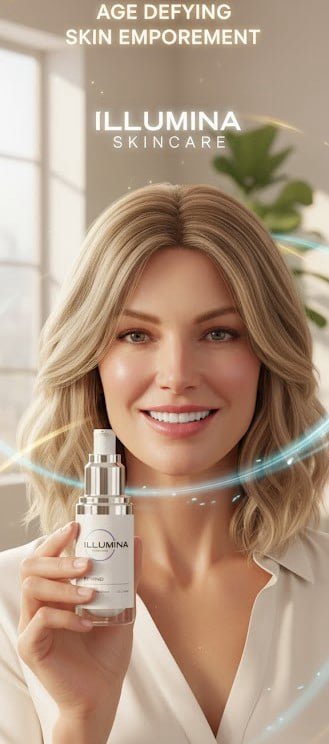
The Illumina anti-aging cream stands out for its unique formulation designed to deliver deep hydration and brightening benefits. But what makes it so effective? Let's break down the ingredients.
One of the key components is hyaluronic acid, which attracts and retains moisture. Research indicates that products with a significant concentration of hyaluronic acid can improve skin hydration by up to 40% in just a few weeks. This means your skin can feel plumper and more youthful.
Additionally, Illumina incorporates natural brightening agents like vitamin C and licorice extract. A 2022 study found that these ingredients can inhibit melanin production, resulting in a more even skin tone. Participants reported a noticeable reduction in dark spots after consistent use.
For clients in Texas and California, where sun exposure can lead to pigmentation issues, this combination is particularly beneficial. I’ve seen many clients achieve brighter, more radiant skin with consistent use of products containing these powerful ingredients.
In essence, the Illumina anti-aging cream leverages science-backed ingredients that may support hydration and brightness. It's an exciting option for anyone looking to revitalize their mature skin.
The Future of Anti-Aging Moisturizers: Trends in 2026
The skincare industry is ever-evolving, and anti-aging moisturizers are no exception. As we look toward 2026, several exciting trends are emerging that could reshape how we care for mature skin. What can you expect?
For one, there’s a growing emphasis on personalized skincare. Research suggests that products tailored to individual skin types and concerns can yield better results. Imagine a moisturizer specifically formulated for your unique skin chemistry—this might not be far off!
Another trend is the incorporation of microbiome-friendly ingredients. Studies indicate that fortifying the skin’s microbiome can improve its resilience and hydration levels. Products designed to support skin health from the inside out will likely gain traction.
In states like Virginia and Washington, where consumers are becoming more ingredient-conscious, these innovations could be particularly appealing. I've heard clients express interest in personalized skincare solutions and naturally derived ingredients.
In summary, the future of anti-aging moisturizers looks bright, with trends that prioritize personalization and skin health. Staying informed about these advancements can help you choose the best products for your evolving skin needs.
📖 explore hydration tips for aging skin: Skin Health After 40 — What You Need to Know (2026) →
Key Takeaways
- Deep hydration is essential for mature skin to maintain health.
- Brightening ingredients help even skin tone and reduce dark spots.
- Hyaluronic acid is a powerhouse for retaining moisture.
- Retinoids play a significant role in improving skin texture.
- Antioxidants are crucial for protecting against environmental damage.
- Understanding skin barrier function is key for effective moisturizing.
- Emerging trends offer exciting new solutions for aging skincare.
References & Sources
- The impact of aging on skin hydration levels — PubMed
- Mechanisms of skin brightening agents — PubMed
- Efficacy of hyaluronic acid in dermal hydration — PubMed
- Retinoids in the treatment of skin aging — PubMed
- Antioxidants in skincare: A review — PubMed
- Protecting the skin barrier in aging — PubMed
- Pollution and skin aging: A comprehensive review — PubMed
Part of Our Complete Guide
Skin Health After 40 — What You Need to Know (2026)Explore the full guide for everything you need to know →