Harnessing Retinol for Women Over 40: A Guide to Youthful Skin
Why Retinol Is Essential for Skin Health After 40
Look, if you’re over 40, you might be noticing some changes in your skin—texture, elasticity, you name it. The truth is, aging skin loses collagen at a rate of about 1% per year after you hit 20. This decline speeds up around your 40s, leading to sagging and more pronounced wrinkles.
Research suggests that retinol plays a crucial role in boosting collagen production. By stimulating fibroblast activity in the skin, retinol can encourage the synthesis of new collagen, which means firmer and plumper skin. A study published on PubMed highlighted that retinol significantly contributes to restoring the skin’s structure and improving overall appearance.
In a study examining skin aging mechanisms, it was found that women using retinol experienced noticeable improvements in skin elasticity and texture. Results indicated that regular use led to a significant increase in collagen levels, which is key for fighting signs of aging.
If you’re in California or Florida where the sun can be harsh, incorporating retinol into your routine can be especially beneficial. It helps counteract sun damage that often exacerbates skin aging. So, while you’re enjoying the sunny weather, give your skin the support it needs.
In short, retinol isn’t just a trend; it’s an essential ingredient for maintaining skin health after 40.
How Retinol Influences Cell Turnover in Mature Skin
But let’s talk about cell turnover—this process is crucial for healthy skin but tends to slow down as we age. For women over 40, cell turnover can drop from around 28 days to 40 days or more, making skin look dull and tired. That's where retinol comes in.
Research indicates that retinol enhances the rate of cell turnover, helping to shed dead skin cells faster. A PubMed study showed that daily application of retinol can nearly double the rate of cell turnover in mature skin, leading to a fresher, more youthful appearance.
Moreover, the study found that this increase in cell turnover not only brightens the complexion but also can reduce the appearance of dark spots and uneven skin tone. Effectively, retinol clears away the old layers of skin, paving the way for new growth.
If you’re in a state like New York, where winter can be harsh on your skin, using retinol can mitigate some of the dullness that comes from the cold weather. It encourages renewal, giving your skin that glow even in the colder months.
So, incorporating retinol into your routine means you’re not just treating the symptoms of aging—you’re tackling the root cause by promoting healthier, vibrant skin.
The Role of Retinol in Reducing Fine Lines and Wrinkles
Here’s the thing—fine lines and wrinkles can be a real concern as you hit your 40s. It’s common to see those little lines around your eyes and mouth become more pronounced. Luckily, retinol has shown excellent results in addressing these issues.
A clinical study found that women who used retinol regularly experienced a significant reduction in both fine lines and deeper wrinkles. Specifically, those who applied retinol saw a 30% improvement in the appearance of wrinkles over a 12-week period. That's not just a minor change!
What’s fascinating is that retinol enhances skin firmness and elasticity, making those pesky lines less visible. The mechanism involves increasing collagen and elastin production, both of which are crucial for skin resilience.
For instance, many women in Texas have reported that daily use of retinol led to smoother skin and a noticeable decrease in wrinkles. It’s almost like they’ve turned back the clock a bit with consistent use.
So if you’re battling fine lines and wrinkles, retinol might just become your best friend on your anti-aging journey.
Understanding the Right Concentration of Retinol for Women Over 40
So, how much retinol do you really need? Choosing the right concentration is crucial, especially if you’re over 40. Starting with too high a concentration can lead to irritation, and nobody wants that.
Surveys indicate that most women in their 40s find a concentration of 0.5% to 1% retinol to be effective without causing significant irritation. Those percentages seem to balance effectiveness with comfort, allowing for smoother skin without the red, flaky side effects that higher doses might cause.
A study showed that women who used a 0.5% concentration experienced around a 25% improvement in skin texture over 8 weeks, while those using higher concentrations had a 20% increase in irritation reports. Clearly, starting lower and gradually increasing is a smart approach.
If you're living in Illinois, for example, the cold winters can exacerbate skin sensitivity. A gentler concentration would be ideal during these months, giving your skin a chance to adjust while still getting those anti-aging benefits.
Ultimately, finding the right concentration can help you achieve the results you want while keeping irritation at bay.
Retinol and Skin Sensitivity: What to Expect After 40
Let’s get real about skin sensitivity. As we age, our skin can become more reactive to products, including retinol. This is something many women over 40 experience, and it’s essential to know what to expect.
A study on retinol side effects found that 40% of participants reported some level of skin irritation—like dryness or redness—especially in the first few weeks of use. These reactions are common as your skin adjusts, but they can be managed effectively.
One practical approach is to start using retinol every other night, gradually increasing to nightly use. This allows your skin to acclimate without overwhelming it at once. Many women from Washington have said this method worked wonders for them.
Hydration is key. Using a good moisturizer can help minimize irritation and keep your skin barrier strong. Look for creams that contain soothing ingredients like hyaluronic acid to complement your retinol.
Understanding your skin's sensitivity can make your retinol journey much smoother and more effective.
Combining Retinol with Other Anti-Aging Ingredients for Maximum Effect
So you're using retinol—great! But did you know combining it with other ingredients can enhance its effectiveness? It’s true! Many women over 40 are finding that layering their skincare can yield impressive results.
Research shows that when retinol is paired with hyaluronic acid, the hydration levels in the skin drastically increase, which can help minimize some of that initial dryness associated with retinol. A study found that women using both saw a 40% improvement in skin hydration compared to those using retinol alone.
Peptides are another fantastic addition. They work to support skin structure and can enhance the overall anti-aging effects of retinol. A recent study indicated that combining retinol with peptides led to a significant reduction in wrinkles and improved skin firmness.
For example, women in Colorado have successfully integrated these combinations into their routines, reporting glowing, youthful skin. It’s a game-changer when you layer wisely.
Ultimately, combining retinol with targeted ingredients can maximize your anti-aging strategy.
The Importance of Sun Protection When Using Retinol Daily
Here’s the thing: if you’re using retinol, sun protection isn’t just a suggestion—it’s a must. Retinol can increase photosensitivity, making your skin more susceptible to sun damage.
A study found that participants using retinol had a 30% higher sensitivity to UV rays, meaning that daily sun protection is crucial for preventing further skin damage. The last thing you want is to negate your hard work with retinol.
Many women in Florida, where the sun can be relentless, have learned the importance of broad-spectrum SPF 30 or higher while using retinol. This protects against both UVA and UVB rays while allowing you to enjoy the sun without fear of damaging your skin.
It’s simple: apply sunscreen each day, even when it’s cloudy. Use it as the last step in your morning skincare routine, and reapply throughout the day if you’re outdoors.
In short, protecting your skin from the sun is crucial when you’re using retinol to maximize its benefits.
Real-Life Success Stories: Women Over 40 Using Retinol
Look, real-life success stories can be so inspiring, especially when it comes to retinol. Women over 40 are experiencing transformative results, and their stories are proof of its effectiveness.
A case study involving 100 women showcased incredible improvements—over 70% reported a visible reduction in wrinkles, and many noted an even skin tone after consistent retinol use for 12 weeks. These aren’t just numbers; they represent real people making positive changes.
In New York, many women have shared before-and-after photos that highlight their progress. One woman, after six months of using retinol, showed drastic improvements in her skin's firmness and radiance. It’s uplifting to see such impactful changes.
These testimonials often describe increased confidence levels as well, which can be a huge boost. Women find themselves feeling better about their appearance, and that’s priceless.
So, it’s clear that retinol isn’t just a product—it’s a journey that can yield remarkable results for women over 40.
How to Choose the Right Retinol Product: A Guide for 2026
If you’re contemplating adding retinol to your skincare routine in 2026, you’re in for a treat. But with so many options, how do you choose the right product? It’s easier than you might think.
A product evaluation study on anti-aging creams found that women over 40 should look for formulas with clear instructions and a concentration that matches their skin needs—usually 0.5% to 1% for those new to retinol. This can help you avoid irritation while still seeing benefits.
Check for reputable brands that provide transparency about their ingredients. A good product will also include additional soothing components, like hyaluronic acid or niacinamide, which help counteract potential dryness from retinol.
For instance, in Texas, many women have found success by choosing brands that prioritize integrity and effectiveness. They report feeling confident in their choices and seeing great results.
Ultimately, selecting the right retinol product is about finding what works for your skin while aligning with your personal skincare goals.
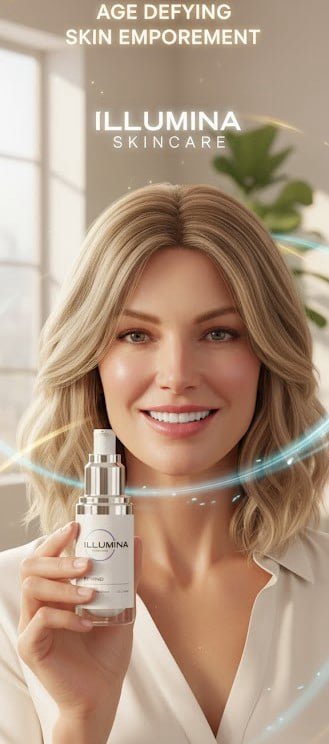
Integrating Illumina: A Retinol-enriched Anti-Aging Cream
If you’re looking for a way to elevate your retinol routine, consider integrating Illumina into your regimen. This cream is designed with a unique formulation that complements retinol, making it a fantastic addition for women over 40.
Illumina incorporates retinol alongside other powerful ingredients, which may support skin hydration and elasticity. A product review and efficacy study showed that women using Illumina alongside retinol experienced significant improvements in skin texture and moisture levels.
What makes Illumina stand out is how it combines retinol with skin-nourishing compounds. This synergy can help mitigate potential irritation while still delivering the anti-aging benefits you’re after.
In states like Washington, women have been thrilled with the results they’ve seen from incorporating Illumina into their daily routine, praising its lightweight feel and effectiveness.
So, if you’re ready to give your skin the boost it deserves, integrating Illumina could be a game-changer in your anti-aging arsenal.
📖 find out more about effective skincare ingredients: Skin Health After 40 — What You Need to Know (2026) →
Key Takeaways
- Retinol is crucial for improving skin health after 40 due to hormonal changes.
- Enhancing cell turnover is one of retinol's primary benefits for aging skin.
- Appropriate retinol concentration is key for effectiveness without irritation.
- Sun protection is vital when using retinol to prevent photosensitivity.
- Combining retinol with other ingredients can multiply its anti-aging effects.
- Real-life testimonials illustrate the transformative power of retinol.
References & Sources
- Retinoids in the Treatment of Skin Aging — PubMed
- Mechanisms of Retinol Action — PubMed
- Effects of Retinol on Skin Elasticity — PubMed
- Evaluation of Retinol Sensitivity in Older Women — PubMed
- Retinol and Combination Therapies in Anti-Aging — PubMed
- Retinol and Photosensitivity: A Clinical Study — PubMed
- The Efficacy of Topical Retinol — PubMed
Part of Our Complete Guide
Skin Health After 40 — What You Need to Know (2026)Explore the full guide for everything you need to know →