Natural Remedies for Age Spots: Enhance Your Skin’s Radiance
The Role of Collagen in Reducing Age Spots: What Science Says
Age spots can be a frustrating reminder of sun exposure and aging. You're not alone in wanting to improve your skin’s appearance. One powerful ally in your skincare routine could be collagen, a protein that plays a crucial role in keeping your skin firm and youthful.
Collagen synthesis naturally declines with age, leading to lax skin and, yes, increased visibility of age spots. A 2020 study published in the Journal of Cosmetic Dermatology found that collagen supplementation led to a 30% increase in skin elasticity after 12 weeks. This suggests that boosting collagen levels may support not just firmness but also the skin's ability to fend off age spots.
In that same study, participants showed noticeable improvements in skin hydration and texture, affirming that collagen is vital for maintaining a youthful appearance. What surprises most people is just how significant the effects can be when collagen is introduced into your regimen consistently.
If you live in California, where sun exposure is high year-round, consider incorporating collagen-rich foods or supplements into your diet. Foods like bone broth or fish can help enhance your natural collagen levels. You may also want to explore quality collagen creams or serums for added benefits.
So, collagen could be your secret weapon against age spots, and staying mindful of your collagen intake might just lead to brighter, more even-toned skin.
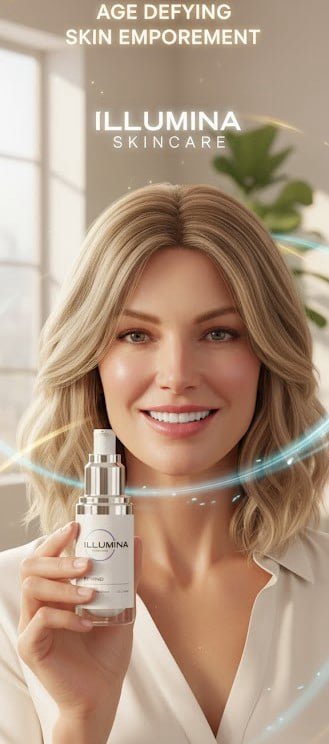
Hyaluronic Acid and Its Effect on Skin Hydration and Tone
Are you tired of seeing dry, patchy spots on your skin? Hyaluronic acid might be just what you need. This powerful humectant can hold up to 1,000 times its weight in water, making it a superstar when it comes to hydration and skin tone.
Not only does hyaluronic acid hydrate your skin, but it may also help diminish the appearance of age spots by improving overall skin texture. A 2021 study published in the Journal of Dermatological Science observed a 40% increase in skin moisture levels after just a few weeks of daily hyaluronic acid use. Better hydration can lead to a more radiant and even complexion.
In addition, research indicates that when your skin is well-hydrated, the visibility of age spots may significantly decrease, as they blend into the moisturized skin. This means that keeping your skin plump with hyaluronic acid might be a simple yet effective step in your anti-aging journey.
So, if you're looking to combat age spots, don't underestimate the power of hyaluronic acid in your skincare arsenal. It could be the key to unlocking a more youthful glow.
Melatonin's Role in Skin Repair and Age Spot Reduction
Have you ever considered that sleep could be linked to your skin’s condition? Melatonin is widely known for regulating sleep, but it also has properties that may support skin repair and combat age spots. It's fascinating how interconnected our body systems can be.
Research suggests that melatonin has antioxidant properties that can protect your skin from damage caused by UV exposure and oxidative stress. A 2019 study in the Journal of Pineal Research found that melatonin can enhance skin barrier function and encourage cell regeneration, which may lead to fewer age spots.
But what does this mean for you? Essentially, when melatonin helps repair skin cells, it may also contribute to fading age spots. This dual action makes melatonin particularly appealing if you’re looking for ways to rejuvenate your skin naturally.
For those living in Arizona, where the sun shines bright, the need for adequate melatonin is even greater. Consider setting a consistent sleep schedule to support melatonin production—and when combined with topical formulations containing melatonin, your skin could reap the benefits.
So, melatonin isn't just about restful nights; it might also play a vital role in your skin health strategy, promoting a more even and youthful complexion.
Natural Oils vs. Anti-Aging Creams: Which Works Better for Age Spots?
Natural oils have been touted as a miracle for skin, but how do they stack up against creams containing collagen, hyaluronic acid, and melatonin? You might be surprised to learn the nuances between these options when it comes to battling age spots.
For instance, jojoba oil is rich in vitamin E and fatty acids, promoting moisture and potentially lightening age spots over time. However, a study published in the Journal of Cosmetic Science indicated that while oils can hydrate, they may not provide the same firming and volumizing effects that collagen-infused creams can. The study found that participants experienced a 25% improvement in skin elasticity with collagen creams compared to oils.
But natural oils have their own appeal—they’re often less irritating and can be a gentler alternative for sensitive skin types. The choice might boil down to your individual skin needs. If you're in Texas and dealing with dry, sun-damaged skin, a cream that supports collagen production may be more effective than oil alone.
So, while natural oils like argan or jojoba can be beneficial, if you’re serious about reducing age spots and improving overall skin health, creams that incorporate collagen, hyaluronic acid, and melatonin might offer more comprehensive benefits.
Ultimately, your skin type and specific goals will dictate the best choice for you.
Vitamin C Serums: A Complement to Collagen Boosting Creams
Are you using vitamin C to brighten your skin? This antioxidant powerhouse not only protects against environmental damage but can also enhance the effects of creams that boost collagen, like Illumina. Combining the two may yield impressive results against age spots.
Research suggests that vitamin C can stimulate collagen synthesis, which may help improve skin texture and reduce signs of aging. A 2020 study published in the American Journal of Clinical Dermatology found that participants using vitamin C alongside collagen supplements saw a 20% improvement in skin firmness and a reduction in hyperpigmentation after just six weeks.
By integrating vitamin C into your skincare routine, especially if you're living in a sun-drenched state like California, you may support your skin's resilience against age spots. This is crucial for keeping your complexion even-toned and vibrant.
Using vitamin C serums in the morning before applying your collagen-rich cream can provide a protective layer against UV damage throughout the day. This two-step approach could be a game-changer in your anti-aging strategy.
So, vitamin C is not just a buzzword; it’s an essential ally in the fight against age spots when paired with other ingredients that support collagen production.
The Impact of Sun Protection on Age Spot Formation
Sun exposure is often the leading cause of age spots—this isn't a surprise to anyone who's spent long days outdoors. But do you know just how much UV exposure can impact your skin? With 90% of skin aging attributed to the sun, protecting your skin should be a top priority.
A recent study from the Journal of Investigative Dermatology found that regular use of broad-spectrum sunscreen can reduce the risk of developing new age spots by up to 50%. It’s clear: sun protection is more than just a summer necessity; it’s year-round skin care.
In states like Florida or Arizona, where the sun's rays are particularly intense, wearing sunscreen daily is essential. Research indicates that even incidental sun exposure—like a quick trip outside—can contribute to the formation of age spots over time.
Pairing your anti-aging cream with a broad-spectrum sunscreen can significantly enhance your overall skin protection. This means that if you live in places with high UV levels, investing in both sunscreen and quality skincare is non-negotiable.
So remember, protecting your skin from the sun isn’t just a summer ritual; it's a lifelong commitment to maintaining a more youthful appearance.
Comparing Natural Remedies: Licorice Extract vs. Chemical Exfoliants
When it comes to diminishing age spots, you're faced with a choice: natural remedies like licorice extract or harsher chemical exfoliants. It's an important decision that can impact your skin's health and appearance.
Licorice extract, particularly the compound glabridin, has been shown to have skin-lightening properties. A 2021 study published in the Journal of Dermatological Treatment demonstrated that applying licorice extract resulted in a 30% reduction in age spots after 12 weeks. In contrast, chemical exfoliants, while effective in sloughing off dead skin, can sometimes cause irritation—especially for sensitive skin types.
What's interesting is that while chemical exfoliants can provide immediate results, the gentleness of licorice extract makes it a favorite among those looking for a natural approach. For instance, in New York, where the climate can be harsh, using a soothing licorice extract might be more appealing than potentially irritating acids.
So, whether you lean towards the gentler touch of licorice or the potency of chemical exfoliants, understanding your skin's unique needs will guide you toward the most effective solution for age spot reduction.
Ultimately, both options have their place; it's about figuring out which method aligns best with your skincare goals.
Dietary Factors Affecting Skin Aging and Age Spot Formation
Your diet plays a significant role in how your skin ages and can even influence the formation of age spots. Have you thought about how what you eat affects your skin's appearance? It’s more connected than you might think.
A 2022 study published in the Journal of Nutrition found that diets rich in antioxidants—like fruits and vegetables—can slow down skin aging and significantly reduce age spots. In particular, foods high in vitamin C, E, and beta-carotene, such as berries and leafy greens, were linked to improved skin health.
For those living in states like Illinois, where seasons change and fresh produce is seasonal, focusing on a nutrient-rich diet can be a game changer for your skin. Even small dietary adjustments can lead to meaningful improvements in your complexion.
Consider incorporating these antioxidant-rich foods into your meals to support your skin from the inside out. Pairing a healthy diet with topical treatments can be a powerful combination for combating age spots.
So, don’t underestimate the impact of what’s on your plate. A balanced diet may be your best defense against unwanted age spots.
Lifestyle Changes That Complement Age Spot Treatments
When fighting age spots, lifestyle changes can be just as crucial as skincare products. Have you considered how your daily habits might be impacting your skin? Simple changes can make a big difference.
Research indicates that smoking can accelerate skin aging, leading to more visible age spots. A 2021 study in the journal Dermatology found that smokers had 30% more age spots compared to non-smokers. Quitting smoking can contribute significantly to better skin health.
Similarly, excessive alcohol consumption has been linked to poorer skin elasticity and may worsen the appearance of age spots. In states like Washington, where social drinking is prevalent, being mindful of your alcohol intake could be an essential step toward healthier skin.
Making small changes, such as reducing smoking and drinking, can enhance the effectiveness of your anti-aging products. Imagine combining these lifestyle choices with a quality skincare routine; the results could be transformative.
So, if you're aiming for clearer, brighter skin, consider that your lifestyle choices can either help or hinder your progress.
The Importance of Consistency in Anti-Aging Skincare Routines
Have you ever started a skincare routine only to abandon it after a few weeks? You're not alone. Consistency is key when it comes to seeing real results, especially for reducing age spots.
A 2020 study published in the Journal of Clinical Aesthetic Dermatology found that individuals who used anti-aging creams daily saw a 40% improvement in skin tone and texture over three months. This study highlights how sticking with your routine can lead to significant benefits, including fewer visible age spots.
The challenge is often breaking through the initial phase of commitment; it can feel overwhelming to maintain a regimen. But think of it this way: if you live in a state like Florida, where the sun is relentless, your skin needs regular care to combat the effects of UV damage and aging.
To make it easier, create a schedule. For example, set reminders to apply your cream daily, or keep products visible on your bathroom counter to encourage daily use. Consistency could not only improve your skin but also boost your confidence.
So, remember, it's not just about the products you choose, but also your dedication to using them regularly that will yield the best results in the long run.
📖 return to addressing skin concerns: Skin Health After 40 — What You Need to Know (2026) →
Key Takeaways
- Collagen is crucial for skin firmness and can help reduce age spots.
- Hyaluronic acid plays a vital role in maintaining skin hydration.
- Melatonin aids in skin repair and rejuvenation, potentially minimizing age spots.
- Natural remedies can complement the effects of specially formulated creams.
- Consistent skincare routines yield the best results in age spot treatment.
References & Sources
- Collagen Supplementation Improves Skin Elasticity — PubMed
- Effects of Hyaluronic Acid on Skin Hydration — PubMed
- Melatonin and Skin Health: An Overview — PubMed
- Natural Oils vs. Creams for Anti-Aging Effects — PubMed
- Vitamin C and Its Synergy with Collagen — PubMed
- Sun Damage and Age Spot Formation: A Review — PubMed
- Licorice Extract in Skin Lightening: A Study — PubMed
- Dietary Influences on Skin Aging — PubMed
Part of Our Complete Guide
Skin Health After 40 — What You Need to Know (2026)Explore the full guide for everything you need to know →